


The Transformation Management Institute™
Research Library
The TMI Research Library houses the Institute’s published work on system analysis, interpretation, and transformation. It includes foundational monographs, applied research, governance studies, and technical standards that define the Institute’s core research programs.
These publications formalize models, variables, and analytic standards for evaluating stability, coordination, and change across human, institutional, and artificial systems. To support different points of entry, selected works are organized into trailheads › curated reading lists built around recurring questions that appear across disciplines and domains.
Engage
›
Execute
›
Elevate
›
Engage › Execute › Elevate ›
Explore the Library by Route:
-
![]()
Trail A: Organizational Transformation
Why do transformation efforts fail even when people are capable and engaged?
-
![]()
Trail B: Artificial Intelligence & Digital Trust
How do people decide what to trust when decisions are mediated by technology?
-
![]()
Trail C: Stories, Media, and Culture
Why do stories shape belief more effectively than evidence alone?
-
![]()
Trail D: High-Stakes Decision Making
Why do familiar problems recur even after they’ve been addressed?
-
![]()
Trail E: Human Understanding
Why do people feel misunderstood even when communication is frequent?
-
![]()
Trail F: System Existence
What must be true for a system to count as a system before interpretation can even occur?
-
![]()
Trail G: Transformation Management
What should I use if I need to run transformation work now, without reading a scientific paper?







TMI Research Programs


Distinct lines of inquiry that define the Institute’s core research agenda, scope boundaries, and publication pathways.
Trailhead A:
Organizational Transformation
Why do transformation efforts fail even when people are capable and engaged?
Trail A tracks transformation as a long chain of decisions, not a single plan. It shows how even strong teams lose momentum when each group is operating from a different picture of what’s happening and what “success” means.
Includes:

Refik Anadol, Machine Hallucinations – Nature, 2019.
© Refik Anadol. Courtesy of the artist and Refik Anadol Studio.
Featured with The Practice of Transformation Science as disciplined sensing: high volume signals are organized into legible form without pretending the motion is simple.
Featured Monograph
The Practice of Transformation Science
October 2025
This paper describes what experienced practitioners notice before problems become visible failures. It shows how early confusion can be detected without blaming people or personalities. Read this if you sense trouble early and struggle to name why.
Trailhead B:
AI & Digital Trust
How do people decide what to trust when decisions are mediated by technology?
Trail B starts with a modern constraint: people must decide through platforms, tools, and signals rather than direct checking. It moves from AI’s effect on what seems credible, to identity as a repeated verification problem, to the general mechanics of interpretation in mediated systems.
Includes:

El Lissitzky, Proun 19D, 1922. © Artists Rights Society (ARS).
Featured with Artificial Intelligence as a Meaning System as a metaphor for multidimensional governance: forms rotating through conceptual space, demonstrating how meaning shifts when structural elements exceed the capacity of fixed interpretive frames.
Featured Monograph
Artificial Intelligence as a Meaning System
November 2025
This paper explains why AI creates mistrust even when outputs look correct. It shows how machine mediation changes judgment and accountability, not just results. Read this if technical fixes don’t explain the confusion, hesitation, or conflict you’re seeing around AI.
Trailhead C:
Stories, Media, and Culture
Why do stories shape belief more effectively than evidence alone?
Trail C follows how stories become social reality. It moves from culture as a shared narrative engine, to disinformation as weaponized narrative, to what it takes to rebuild a shared sense of “what happened” when belief has outrun reference.
Includes:

Agnes Martin, The Islands, 1979.
© The Estate of Agnes Martin / Artists Rights Society (ARS), New York. Courtesy of the Estate of Agnes Martin.
Featured with The Restoration of Meaning as quiet reconstruction: minimal structure, repeated with care, models how coherence returns through patience and restraint.
Featured Monograph
The Restoration of Meaning
October 2025
This paper explains what changes when people can again agree on what is happening and what actions mean. It shows how progress returns after long periods of circular clarification. Read this if work feels trapped in explanation rather than forward movement.
Trailhead D:
High-Stakes Decision Making
Why do familiar problems recur even after they’ve been addressed?
Trail D follows decisions made under time pressure, when teams act before the situation is fully knowable. It introduces a diagnostic lens for why those decisions reappear, then returns to the field at the point where stakes compound and decisions must escalate.
Includes:
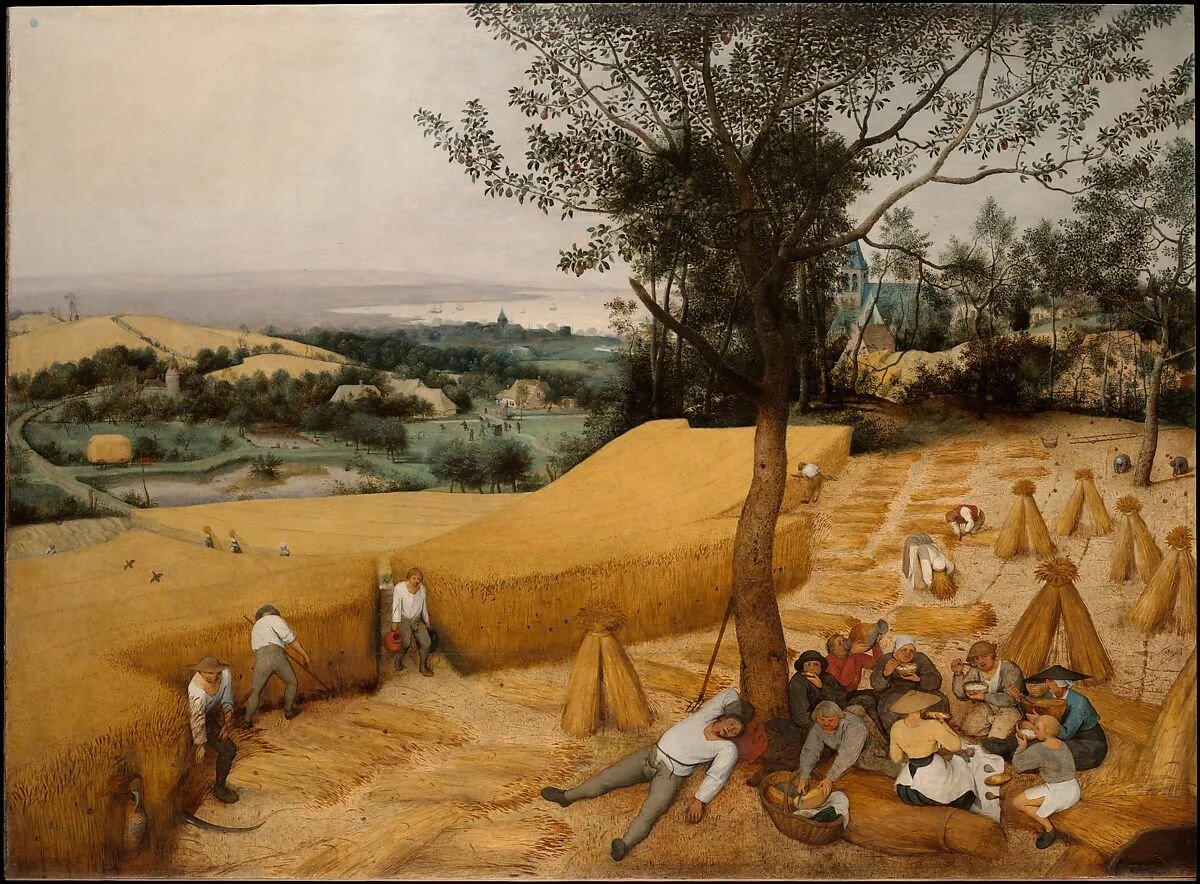
Pieter Bruegel the Elder, The Harvesters, 1565.
The Metropolitan Museum of Art, New York. Rogers Fund, 1919. Public Domain (Open Access).
Featured with Escalation Systems as authority loss: the work shows shared labor and visible conditions, but no central decider. Coordination is inferred from outcomes and routines, mirroring how escalated issues can be widely acknowledged while binding decision authority remains absent or non-enforceable.
Featured Field Study
Escalation Systems
January 2026
This paper explains why escalation can increase visibility without producing enforceable closure. It treats escalation as an interpretation system under authority loss, where decision authority is unclear or non-binding across forums. Read this if issues circulate upward and return unchanged.
Trailhead E:
Human Understanding
Why do people feel misunderstood even when communication is frequent?
Trail E starts with private experience that can’t be directly shared. It traces how systems make it jointly real through signals, credibility, and shared constraints, then shows what it feels like when coherent interpretation can’t be received.
Includes:

Edward Hopper, Nighthawks, 1942.
© Artists Rights Society (ARS), New York.
Featured with Witness Systems as isolated knowing: the scene presents proximity without receipt, a shared space without shared account, and the witness remains present while reality stays unshared.
Featured Field Study
Witness Systems
January 2026
This paper explains why systems can keep operating while shared reality diverges. It shows how coherent accounts become isolated in a single witness role when credibility, admissibility, and closure practices prevent reception. Read this if you keep seeing what is happening but cannot get the system to receive it.
Meet The Five Foundational Explorers
-
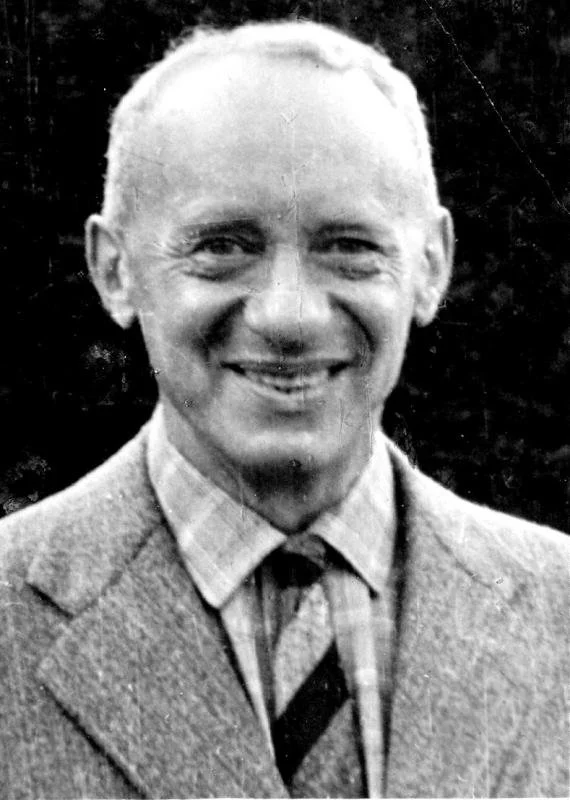
Alfred Tarski (1901–1983)
Truth Fidelity (T)
Formalized truth as correspondence between statements and the conditions they describe. In MSS, this informs Truth Fidelity (T): the system’s promised reference to observable conditions, independent of belief or consensus. -
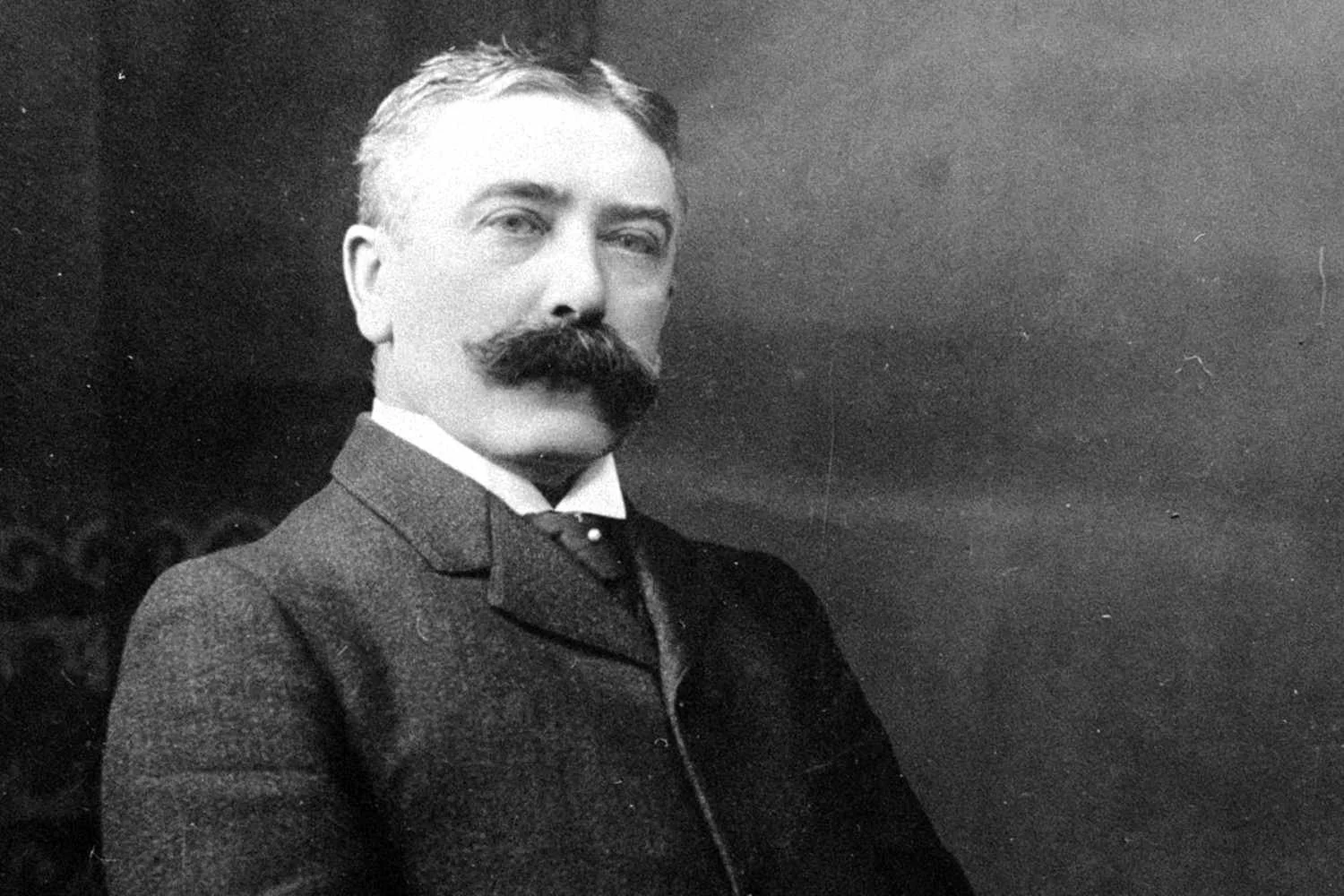
Ferdinand de Saussure (1857–1913)
Signal Alignment (P)
Showed meaning arises through relational sign-systems, not inherent properties. In MSS, this informs Signal Alignment (P): how consistently signals map to the reference across roles and channels. -
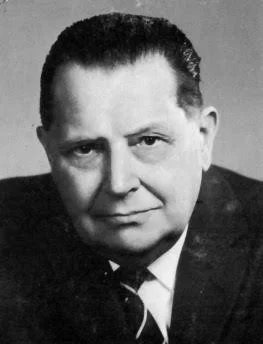
Ludwig von Bertalanffy (1901–1972)
Structural Coherence (C)
Argued stability depends on organized relationships and usable pathways, not isolated parts. In MSS, this informs Structural Coherence (C): whether meaning-carrying structures remain operable. -

Ilya Prigogine (1917–2003)
Drift (D)
Showed systems under sustained pressure change through lawful dynamics as instability accumulates. In MSS, this informs Drift (D): the rate at which contradiction accumulates under load. -

Lisa Feldman Barrett (1963– )
Affective Regulation (A)
Showed interpretation depends on regulatory capacity and predictive updating. In MSS, this informs Affective Regulation (A): the capacity to absorb variability and update meaning before contradiction compounds.
Legitimacy is not argued.
It is practiced.
The Monographs define the system. The 3E Standard™ teaches you how to run it. Available freely.
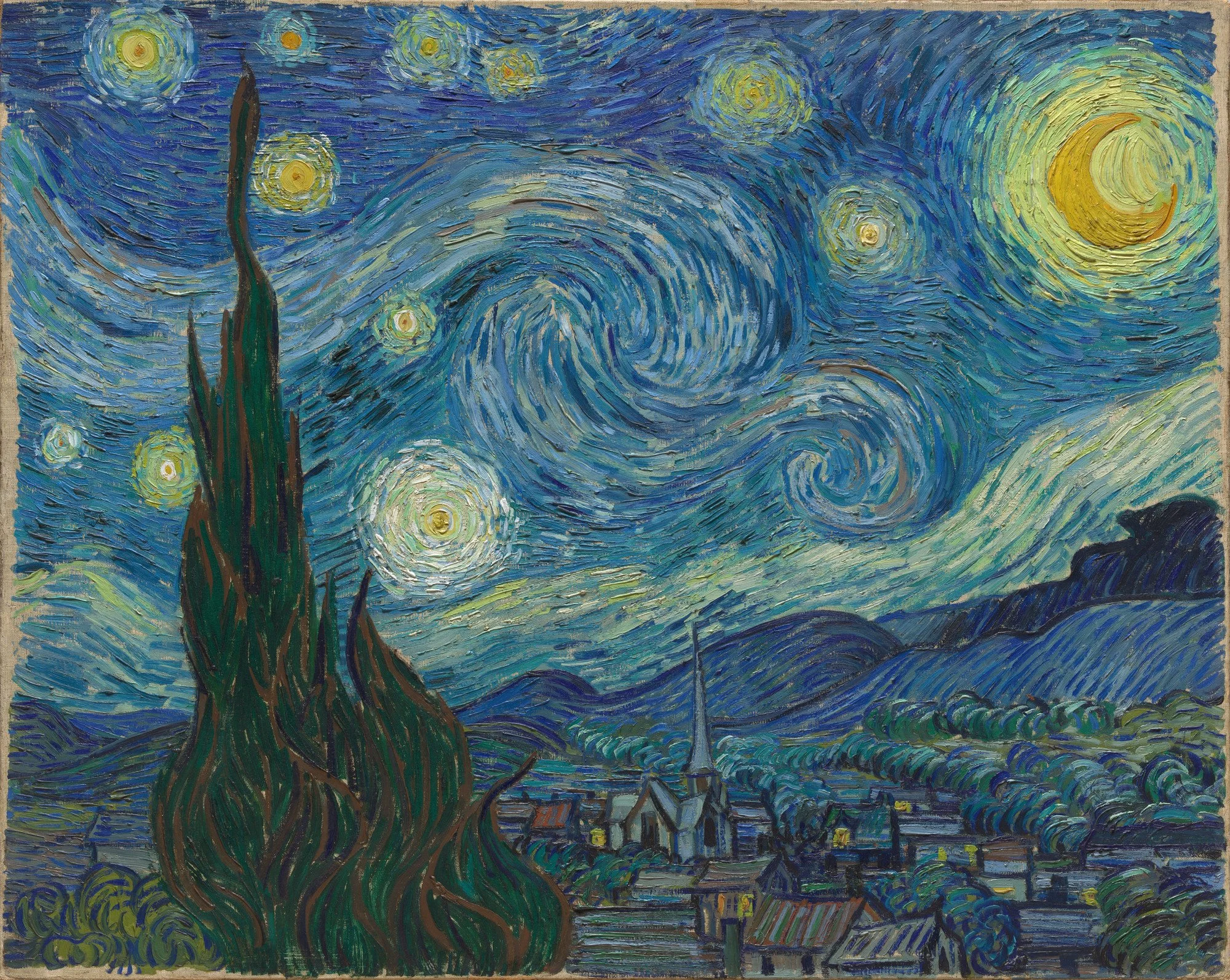
Vincent van Gogh, The Starry Night, 1889.
© The Museum of Modern Art, New York.
Featured with The Conditions of System Existence as boundary persistence under disturbance: structure becomes legible only where distinction and continuity survive interaction.
From the SET Research Program
The Conditions for System Existence
January 2026
This paper specifies the conditions under which a system can be treated as a system at all. It shows why many failures attributed to dysfunction or poor design originate earlier, at the level of boundary and unit admissibility. Read this if you want to understand when system claims are coherent, and when they are ill posed from the start.